

Padel has gone from being a curiosity played in a handful of coastal clubs to one of the fastest-growing sports on the planet. In fewer than ten years, it has blossomed from a niche pastime to a global phenomenon, with millions of players, thousands of new facilities, and major brands and pro athletes throwing their weight behind it. While this rise might seem sudden, the reasons behind padel’s success are straightforward and rooted in how the game feels as well as how it fits into modern lifestyles.
This article explains what padel is, what separates it from other racquet sports, why it has fascinated players of all ages, and what trends are shaping its future. It also includes some of the top gear and brands that players are loving right now, so anyone reading can get a feel for the padel sport, whether they have played once, never picked up a paddle, or are thinking about joining in.
What Is Padel Sport
Padel is a racquet sport that blends elements of tennis and squash into an accessible game designed to be fun from the very first rally. It is most often played as doubles on a compact court that measures roughly one-third the size of a standard tennis court. The court is enclosed by walls made of glass and metal mesh, and these walls are an active part of play. Players can use the walls to keep the ball in motion, making for fast, creative exchanges and a rhythm that feels less intimidating to beginners than other racquet sports.
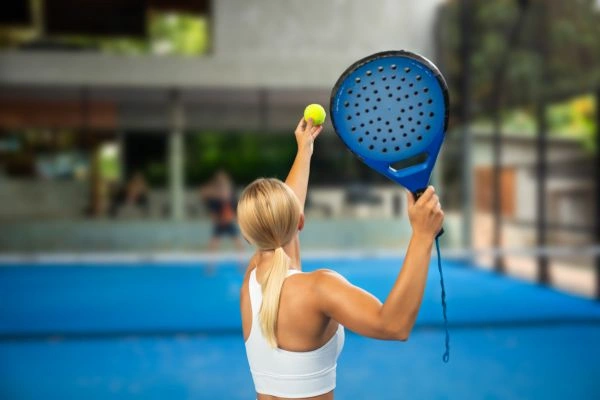
Here are the core characteristics of padel sport:
- Players. Most matches are played in doubles, meaning two teams of two players each.
- Court. The rectangular court is enclosed on all sides, allowing the ball to bounce off the walls much like in squash.
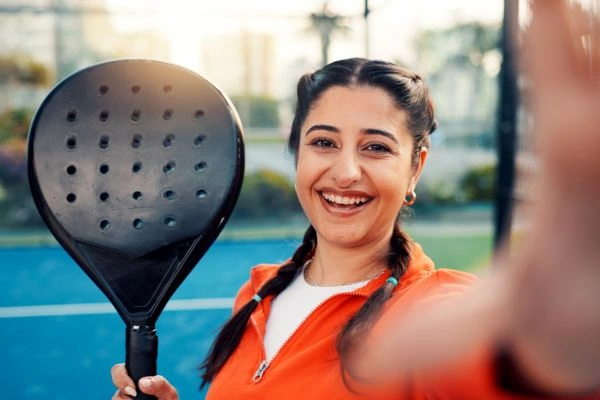
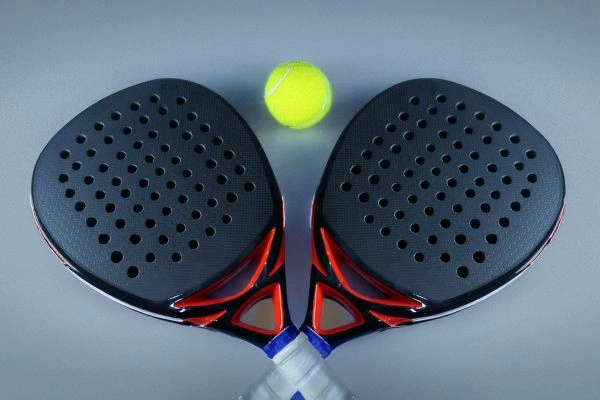
- Racket (Paddle). The racquet is solid with no strings and usually made from high-tech materials like carbon fiber or foam composites.
- Serve. Serves are underhand, making them easier for beginners to learn.
- Balls. Balls are similar to tennis balls but slightly lower in pressure, meaning rallies tend to last longer.
This unique blend of features creates a sport that feels familiar if someone has played tennis or squash before, yet simple enough for complete newcomers to pick up quickly.
Where Padel Comes From
Padel was first played in the mid-20th century and remained popular in places like Spain and parts of Latin America for decades. But only in the last few years has it exploded in global awareness and participation. At its heart, padel was a backyard game played with walls, a ball, and a couple of friends. Gradually, it moved into private clubs and spread into public parks and recreational centres in places like Andalusia in southern Spain. From there, its growth took off internationally.
Today, padel is played in more than 130 countries around the world, and the total number of players is measured in the tens of millions. It has moved beyond its traditional strongholds and is now a fixture in urban sports centres, luxury clubs, and even new Olympic discussions.
Why Padel Is So Addictive
Padel taps into several factors that make it easy for people to love the game and want to play again and again.
Easy To Learn But Hard To Master
Compared with traditional racket sports, padel has a gentle learning curve. New players can start rallying and having fun within their first ten minutes on the court because there is no need for a powerful overhand serve or long chasing sprints like in tennis. Basic shots are forgiving, and the walls give the game a dynamic feel that rewards creativity and anticipation.
At the same time, the sport has real depth at higher levels. Players who develop more advanced footwork, shot placement, and tactical play are rewarded with better match control. This balance between simplicity and sophistication keeps players of all skill levels coming back.
Social By Design
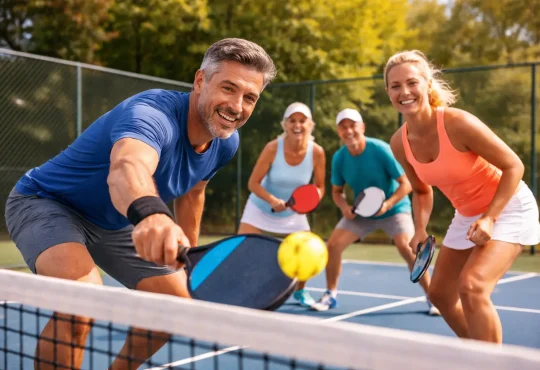
One of the main reasons people fall in love with padel is its strong social appeal. Because it is almost always played in doubles, it feels like a shared activity rather than a solitary workout. Players shout encouragement to partners, plan tactics together, and naturally build friendships through play. This built-in team aspect turns a simple game into a social ritual.
Fun And Fast Paced
Rallies in padel are shorter and more dynamic than many people expect, which makes the game feel thrilling from the first point. The close quarters keep everyone involved and on their toes. It does not require sprinting long distances, which makes it suitable for people of different fitness levels while still offering a great workout that improves endurance, reaction speed, and agility.
Matches Fit Into Busy Schedules
Typical padel matches are short enough to fit into a busy day, with many games taking under an hour. That makes padel feel less like a major commitment and more like a fun, energizing break from work or weekend downtime.
How Padel Is Spreading Around The World
Padel’s rise is not just organic player growth. It is supported by infrastructure, media interest, and significant investment.
Rapid Court Construction Boom
In just a few years, the number of padel courts worldwide has surged. Reports show more than 50,000 courts globally, with projections pointing to even bigger growth in the coming years. In some regions, new padel clubs are opening at a rate of one every couple of hours.
Major Tournaments And Professional Play
Padel has also developed a lively competitive scene, with international tours and team events that draw top talent. New events are attracting global attention and helping to raise the profile of the sport beyond casual play. For example, team competitions featuring elite players and clubs with celebrity owners bring professional padel into the mainstream sporting conversation.
Expansion In New Markets
While Europe and Latin America have long been padel strongholds, demand is growing fast in regions like North America, the Middle East, and Asia. In the United States, new padel facilities are opening, and circuits designed by established academies are launching across major cities.
This geographic spread means that more players have access to courts and coaching than ever before, which in turn feeds participation and community growth.
Top Brands And Gear For Padel Players
If someone wants to jump into padel, choosing the right equipment can make a big difference in how quickly they feel comfortable on the court. Here are some of the categories and brands that are routinely recommended by players and reviewers in the latest gear guides.
Best Padel Rackets
Padel rackets are designed very differently from tennis rackets. They are short, solid, and often perforated, and choosing one that suits your style and skill level matters. Major sports brands and specialized padel companies now offer high-performance options.
- Nike Padel Collection. Stylish and balanced rackets that appeal to players looking for a mix of power and control.
- Adidas Padel Series. Known for comfortable grip and innovative material design for improved feel.
- Wilson Padel Line. Wilson combines its tennis expertise with padel needs to make rackets that are forgiving for beginners and recreational players.
- Babolat X-Series. A favourite among intermediate and advanced players for its blend of power and spin.
For beginners, rackets with a round shape and a larger sweet spot are best. More advanced rackets often have a diamond shape and a stiffer feel, which can help with power but require better timing.
Shoes And Apparel
Padel courts demand shoes with strong lateral support and grip, so regular tennis shoes are not enough. Brands are now releasing shoes tailored for padel court movement.
- Asics Gel-Padel Shoes. Great cushioning and traction for dynamic side-to-side movements.
- New Balance Padel Fit Line. Lightweight comfort with a stable platform.
- Head and Lotto Apparel. Offers breathable, flexible clothing designed for quick movement.
Moisture-wicking shirts, flexible shorts or skirts, and sport socks with good support all make long sessions much more enjoyable.
The Future Of Padel
The growth of padel shows no signs of slowing down. Market reports suggest that the global padel equipment market could double in value within the next decade, and the sport is on a path toward even greater mainstream visibility.
As more communities build courts and more club spaces include padel alongside tennis and other sports, its accessibility will continue to increase. With trends showing Gen Z and millennials embracing padel for its social and active lifestyle appeal, this sport may become a regular part of urban recreation culture for years to come.
There is also growing momentum for padel to be included in major international games and potentially be recognised at future Olympics, a sign of how far the sport has come in just a few short years.
Why Padel Matters Today
At its core, padel is not just another sport. It’s a welcoming space where people can improve their fitness, build social connections, and enjoy a competitive but friendly game. Its rapid spread around the globe is not a fluke but a reflection of what many players say they want: a sport that feels easy to start, engaging to play, and rewarding to stick with.
Whether someone is looking for a new way to stay active, expand their social circle, or step into competitive play, padel offers something unique that few sports have captured in such a short time. That blend of fun, challenge, and community is why more people are picking up a padel paddle and heading to the court every day.