

American football is one of the most popular and influential sports in the world, especially in the United States. Millions tune in weekly to watch high‑intensity games that combine strategy, athleticism, and community passion. While many fans may be familiar with big plays and standout moments, understanding the core concepts of American football enriches the viewing experience and deepens appreciation for every game. This guide explains the fundamentals of the sport and highlights the latest trends, technology, brands, and developments shaping the game today. It will help new fans follow games more easily and provide deeper insights for casual viewers interested in the sport’s rich complexity.
What Is American Football?
In American football, two teams compete on a rectangular field that features goalposts at the rear of both end zones. The objective is to score points by carrying the football into the opponent’s end zone or kicking it through the goalposts. Each team fields 11 players who compete over four quarters, with possession rotating between offense, defense, and special teams. The game is known for its strategic complexity, physical contact, and carefully planned plays aimed at outsmarting the opposing team.

In professional play, the National Football League (NFL) is the most prominent competition, culminating each season in the Super Bowl, one of the largest and most-watched sporting events globally. The 2025–26 NFL playoffs are underway, leading up to Super Bowl LX at Levi’s Stadium in Santa Clara, California. With teams like the New England Patriots, Seattle Seahawks, Kansas City Chiefs, and San Francisco 49ers competing, fan engagement continues to grow both domestically and internationally.
The Playing Field and Scoring
The Field
A standard American football field measures 100 yards long with two 10‑yard end zones at each end. Yard lines marked every five yards help players and spectators gauge progress during plays. At either end of the field are 10‑foot‑high goalposts used for kicking points. Sidelines define the length of the playing area, and the field surface may be natural grass or artificial turf, depending on the stadium.
Scoring Explained
Scoring in football happens in several ways:
- Touchdown (6 points): When a player successfully brings the ball into the opposing team’s end zone or catches it there. This is the most valuable and celebrated play type.
- Extra Point (1 or 2 points): Following a touchdown, teams may attempt a kick through the goalposts to earn one extra point or run a play into the end zone again for two.
- Field Goal (3 points): Kicking the ball through the goalposts during normal play. Often attempted on fourth down when the offense is within range but too far for a likely touchdown.
- Safety (2 points): If the defense tackles a ball carrier in their own end zone, the defense earns two points, and the offense must kick the ball back.
These scoring methods influence strategy greatly. Coaches map out when to take risks, when to settle for a field goal, and how to manage the clock based on the current score and game situation.
Key Positions on the Field
Understanding player roles clarifies how the game unfolds:
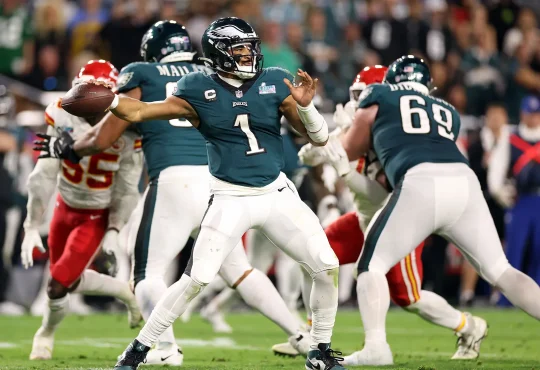
- Quarterback (QB): The team’s leader on offense, responsible for passing the ball, handing it off, or running with it. Quarterbacks like Patrick Mahomes, Josh Allen, and Lamar Jackson often dominate headlines due to their central role.
- Running Back (RB): Specializes in carrying the ball on rushing plays and catching short passes. Running backs must combine strength, agility, and vision.
- Wide Receiver (WR): Fast players who run routes designed to evade defenders and catch passes from the quarterback.
- Offensive Line (OL): A group of six large players who block defenders to protect the quarterback and open paths for running backs. Their coordinated blocking forms the backbone of offensive success.
- Defensive Line (DL) and Linebackers (LB): Defensive linemen and linebackers try to stop the offense by tackling ball carriers, pressuring the quarterback, and disrupting plays.
- Defensive Backs (DB): Players who cover receivers and try to prevent big passing plays. This group includes cornerbacks and safeties.
- Special Teams: Responsible for kickoffs, punts, field goal attempts, and extra point kicks. Special teams often make game‑changing plays through kick returns and coverage.
Each of these position groups has unique skills and physical demands. Success depends not only on individual talent but also on teamwork, communication, and execution.
Basic Rules Every Fan Should Know
Downs System
A team has four downs (or plays) to gain 10 yards. If the offense gains at least 10 yards within four downs, it earns another set and retains possession. Failure to advance 10 yards usually results in kicking the ball to the opponent or attempting a field goal. This system creates dramatic tension on every drive, as each fourth down becomes a strategic decision point.
Play Clock
Teams must snap the ball before the play clock expires, usually 40 seconds after the previous play ends. This rule keeps the game moving and adds urgency to offensive planning. Delays can result in penalties that cost valuable yardage.
Turnovers
A team loses possession if the ball is fumbled (dropped) and recovered by the opponent or intercepted (caught by the defense). Turnovers are game‑changing events that can swing momentum quickly, often leading to sudden scoring opportunities.
Penalties
Infractions like holding, offside, or pass interference result in yardage penalties and replay of down or loss of down. Officials throw yellow flags to signal these violations. Learning basic penalties helps fans understand why certain plays change field position unexpectedly or result in loss of yardage.

Strategy and Tactics
Offensive Strategy
Offensive playbooks contain a vast array of plays designed to exploit defensive weaknesses. Coaches often describe their offense as “balanced” if it uses both running and passing effectively. Plays are chosen based on down, distance to gain, field position, and game situation.
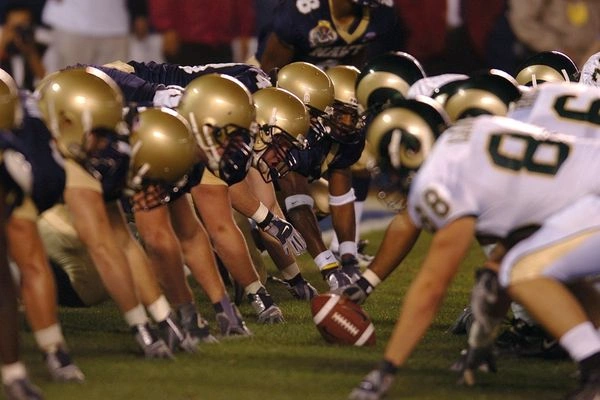
Formations vary widely. For example, a shotgun formation positions the quarterback several yards behind the center for quicker passing opportunities. In contrast, a power run formation might stack extra blockers to open paths for a running back. Some teams utilize motion, where a player moves laterally before the snap to confuse defenses and create mismatches.
Defensive Strategy
Defenses also have strategic options. In zone coverage, defenders cover designated field areas rather than staying on one offensive player. In man coverage, each defender shadows a specific offensive threat. Blitzes send extra defenders to hurry the quarterback and force hurried decisions or mistakes.
Defensive coordinators study offensive tendencies, player film, and situational analytics to adjust their schemes. Successful defenses balance pressure, coverage, and discipline to limit big plays.
Special Teams
Often overlooked, special teams influence field position and scoring. A strong punt may pin an opponent near their own end zone, while a long kickoff return can set up a scoring chance. Elite specialists like Justin Tucker for kicking or Devin Hester in kickoff return history underscore how special teams can dramatically shift outcomes.
How Games Are Structured
An American football game has four 15‑minute quarters, with a halftime break following the second quarter. Games can be high scoring and fast paced, but the clock stops for incomplete passes, players going out of bounds, penalties, and timeouts.
If the score is tied at the end of regulation, overtime is used to decide the winner with extra play. The NFL uses a modified sudden‑death overtime system with possession rules designed to ensure fairness.
Each team is allowed three timeouts per half to pause the game clock and plan critical plays. Timeouts are essential strategic tools, especially in close games where clock management can decide outcomes.
During the NFL postseason, teams compete in a single‑elimination bracket culminating in the Super Bowl. The 2025‑26 playoffs feature 14 teams, showcasing a blend of veteran talent and rising stars.
Equipment and Gear
American football is a full‑contact sport in which players wear protective equipment to reduce the risk of injury:
- Helmet: Protects the head and may feature advanced safety tech like sensors and improved padding. Recent models like the Schutt F7 Pro and Riddell SpeedFlex are popular in the NFL for impact reduction and custom fit.
- Shoulder Pads: Disperse force from tackles to protect the upper body.
- Cleats: Provide traction on grass or turf surfaces. Brands like Nike, Under Armour, and Adidas produce performance footwear designed for grip, agility, and stability.
- Gloves: Enhance grip for receivers and defenders, often with sticky palm materials for secure catches.
- Compression and Support Gear: Many athletes wear compression sleeves, braces, and tape to support muscles and joints.
Protective gear markets are growing rapidly as technology improves, with smart fabrics and integrated sensors emerging in youth and professional leagues to monitor impacts and reduce injury risks.
Technology and Innovation in the Game
American football has embraced technology both on and off the field. Players use wearable sensors, GPS tracking, and data analytics to monitor performance and optimize training. These systems help prevent injuries and provide insights into workload management.
Coaches also use real‑time data from tracking systems to make tactical adjustments mid‑game. Video review tools like instant replay allow officials to confirm or overturn critical calls, adding fairness and precision to officiating.
For fans, immersive technologies like augmented reality and interactive apps provide enhanced viewing experiences. Broadcasts may overlay player stats, speed metrics, or route visuals during live games, helping fans engage with the sport beyond simple score lines.
These innovations help grow interest globally, enabling viewers far from the United States to connect with the sport through digital platforms and enriched media experiences.
Global Growth and Emerging Leagues
While American football remains most popular in the United States, its global reach has expanded significantly. The NFL has scheduled regular‑season games in England, Mexico, and Germany as part of international growth initiatives aimed at expanding fan bases and youth participation.
New leagues and formats also emerge to broaden access to the sport. The Continental Football League is scheduled to launch in 2026 as a minor professional league, creating opportunities for players and communities in smaller markets. Flag football, a non‑tackle version of the sport, continues gaining traction worldwide. It is under consideration for inclusion as an Olympic sport for the 2028 Games, further broadening the sport’s accessibility and appeal.
Fan Culture and Merchandise
Fan culture is integral to American football’s appeal. Supporters wear team jerseys, hats, and apparel from brands such as Nike, Lululemon x NFL collections, and exclusive Super Bowl merchandise drops. Tailgate parties with themed food and games, fantasy football leagues, and social media communities create year‑round engagement that extends far beyond game day.
Celebrity collaborations also amplify fashion and fan identity. Artists like Bad Bunny have released NFL‑themed merchandise, blending pop culture with sports fandom and driving buzz for events like the Super Bowl. Fans also engage through video content, podcasts, and independent blogs that analyze games, highlight player stories, and celebrate team rivalries.
Understanding the Business Behind the Sport
American football is not just a sport but a major business ecosystem. The NFL’s revenue streams include television rights, sponsorships, ticket and merchandise sales, and live events. Teams operate within a salary cap framework that levels competition and ensures financial health across the league.
The football apparel market is projected to grow significantly, with fans purchasing jerseys, promotional items, and performance gear year‑round. Eco‑friendly and high‑tech materials, including moisture‑wicking fabrics and recycled textiles, are becoming popular choices for both athletes and fans, reflecting broader consumer trends toward sustainability.
Key Concepts That Make Football Exciting for Fans
American football is rich with strategy, teamwork, and tradition. From understanding the structure of the game to recognizing player roles and the impact of technology, fans can enjoy a deeper appreciation of every play. Contemporary developments in safety gear, international expansion, and immersive fan engagement continue to shape the sport’s future. Whether watching the NFL playoffs, joining a fantasy league, or cheering alongside others on game day, the more fans know about key concepts, the more thrilling and fulfilling their experience becomes.