

The Phenomenal Popularity of American Football in the USA
American football stands as one of the most culturally significant and widely celebrated sports in the United States. From backyard games in suburban neighborhoods to the colossal spectacle of the NFL Super Bowl, football captures the hearts and imaginations of millions of Americans every year. Its unique blend of strategy, athleticism, and entertainment has cemented its status as a cornerstone of American sports culture.
The History of American Football
Origins and Early Development
American football originated in the late 19th century, evolving from rugby and soccer traditions imported from Europe. The first intercollegiate football game was played in 1869 between Rutgers and Princeton, establishing a foundation for what would become a deeply ingrained national pastime. Over the decades, rule changes, safety measures, and strategic innovations transformed the game into the modern spectacle observed today.
The Rise of the NFL
The formation of the National Football League (NFL) in 1920 marked a turning point in professional football. Initially struggling for popularity against baseball and college football, the NFL gradually gained prominence through strategic expansions, television broadcasts, and the creation of enduring traditions like the Super Bowl. Today, the NFL is not only a premier sports league but also a multi-billion-dollar entertainment enterprise, influencing American culture far beyond the field.
The Appeal of American Football
Athleticism and Skill
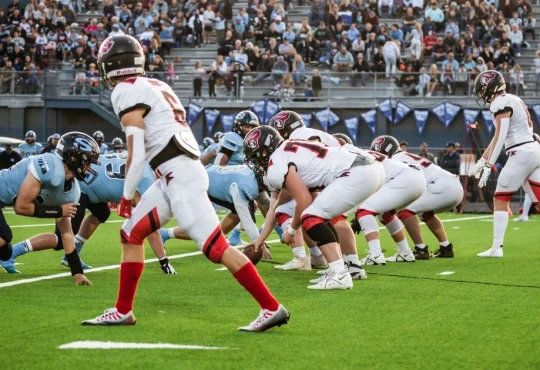
Football demands an extraordinary combination of strength, speed, agility, and tactical intelligence. Players must execute complex plays under immense pressure, often in physically demanding conditions. The diversity of positions — quarterback, wide receiver, linebacker, and more — allows athletes with varied skill sets to excel, making the game both inclusive and thrilling for participants and spectators alike.
Strategy and Complexity
Beyond physical prowess, football is a sport of intricate strategy. Coaches and players spend hours analyzing opponents, designing plays, and adjusting tactics on the fly. Each game is a dynamic chess match, blending offensive ingenuity with defensive anticipation. This cerebral element attracts fans who enjoy decoding formations, predicting outcomes, and appreciating the nuances that make football intellectually engaging.
Community and Culture
Football is more than a game; it is a social and cultural phenomenon. High school and college games foster community spirit, while NFL events create nationwide excitement. Tailgating, fantasy football leagues, and sports bars provide avenues for fans to engage collectively, enhancing camaraderie and shared identity. The sport’s cultural significance is evident in its pervasive presence in media, fashion, and entertainment.
Iconic Football Events
The Super Bowl: A National Spectacle
The Super Bowl is the culmination of the NFL season, attracting millions of viewers worldwide. It transcends sports, combining athletic competition with entertainment, advertising, and media spectacle. Halftime shows featuring internationally renowned artists, creative commercials, and elaborate pre-game rituals make the event a cultural touchstone, demonstrating the profound influence of football on American society.
College Football: Tradition and Rivalry
College football retains a unique charm, offering a blend of tradition, pageantry, and regional loyalty. Rivalries such as Ohio State vs. Michigan or Alabama vs. Auburn inspire generations of fans, highlighting the sport’s enduring appeal. College games often feature passionate student sections, marching bands, and intricate halftime shows, preserving a sense of heritage that complements professional football’s glamour.
Challenges and Controversies
Player Safety and Concussions
Football’s physical intensity has raised significant concerns about player safety, particularly regarding concussions and chronic traumatic encephalopathy (CTE). The NFL and other leagues have implemented stricter rules, advanced protective equipment, and medical protocols to mitigate risks, but ongoing research and debate continue to shape policies and perceptions.
Social and Ethical Issues
Football has also faced scrutiny over social and ethical matters, including player protests, gender equality, and inclusivity in the sport. Leagues, colleges, and grassroots organizations are increasingly emphasizing diversity, representation, and responsible conduct, recognizing that the sport’s influence extends beyond athletic performance.
The Future of American Football
Technological Advancements
Technology is reshaping football in multiple ways, from instant replay systems and advanced analytics to wearable devices monitoring player performance. Data-driven insights allow coaches to optimize strategies, enhance safety, and improve fan engagement, ensuring that football remains at the forefront of sports innovation.
Expanding Global Influence
While American football is traditionally a domestic phenomenon, international initiatives such as NFL games in London and Mexico City are broadening its reach. Increased global exposure may cultivate new fan bases, diversify talent pools, and reinforce the sport’s status as an influential aspect of global sports culture.
Sustainability and Youth Development
Ensuring football’s long-term vitality requires attention to youth programs, grassroots initiatives, and community engagement. Developing skills, promoting sportsmanship, and fostering inclusivity at early stages will maintain the sport’s relevance and inspire future generations of athletes and fans alike.
Conclusion
American football is more than a sport; it is a dynamic cultural institution that blends athleticism, strategy, and social connection. From its historic origins to its current status as a multi-billion-dollar industry, football has captivated the United States and continues to shape national identity. With ongoing innovations, evolving safety protocols, and expanding global influence, the sport is poised to remain a central part of American life for decades to come.