


Choosing the right tennis shoes is more than picking a comfortable pair off the rack. The match between your shoe and the court you play on can make a huge difference in performance, durability, and even injury prevention. With more brands tailoring designs to specific court types and playing styles, it is easier than ever to find shoes that truly fit your game.
This comprehensive guide breaks everything down in clear, practical terms so you can make a confident decision. The insights below reflect the latest expert reviews, player feedback, and product testing from leading global sports brands.
Why Court Type Matters More Than You Think
Every tennis surface feels and plays differently. Hard courts are firm and abrasive. Clay courts are softer and encourage sliding. Grass courts are slick and demand a very specific kind of grip. Each one places unique stress on your feet, ankles, knees, and shoes.
The outsole of a tennis shoe is not just about traction. Its rubber compound, tread pattern, flexibility, and cushioning system all work together to match the demands of the surface. Wearing the wrong shoe on the wrong court can lead to faster wear, less control, and a higher risk of slipping.
Coaches and gear experts consistently point out that mismatching shoes and court type is one of the biggest reasons players struggle with balance or go through shoes too quickly. The right choice improves movement, protects joints, and gives a noticeable boost in confidence.
Understanding Tennis Court Surfaces
Before looking at specific models and brands, it helps to understand what each surface requires from your footwear.
Hard Courts
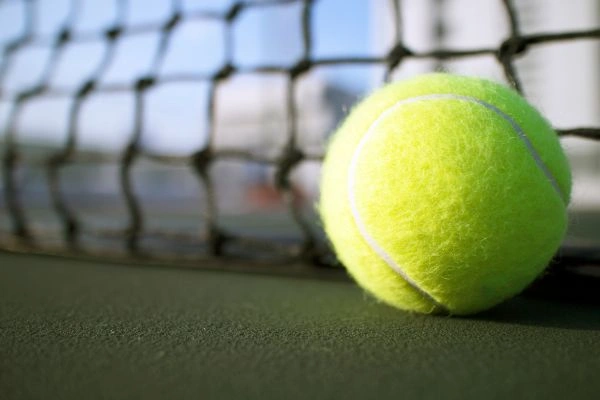
Hard courts are the most common tennis surfaces around the world. They are found in public parks, private clubs, and professional tournaments such as the US Open. These courts are typically made of asphalt or concrete with an acrylic coating.
Key Traits
- Firm and unforgiving underfoot
- High-impact forces on knees and ankles
- Abrasive surface that wears down rubber quickly
- Fast-paced rallies with sharp stops and starts
What To Look For
- Dense, durable rubber outsoles
- Reinforced toe caps and lateral edges v
- Strong midfoot support
- Ample cushioning for shock absorption
Hard courts demand durability more than anything else. Shoes designed for hard courts use abrasion-resistant rubber compounds that hold up against constant friction. Many models also feature extra toe protection for players who drag their foot during serves or baseline rallies.
Cushioning is equally important. Since hard courts do not absorb impact, shoes need responsive foam or gel systems to reduce stress on joints. Players who spend several hours a week on hard courts should never compromise on support or shock absorption.
Clay Courts
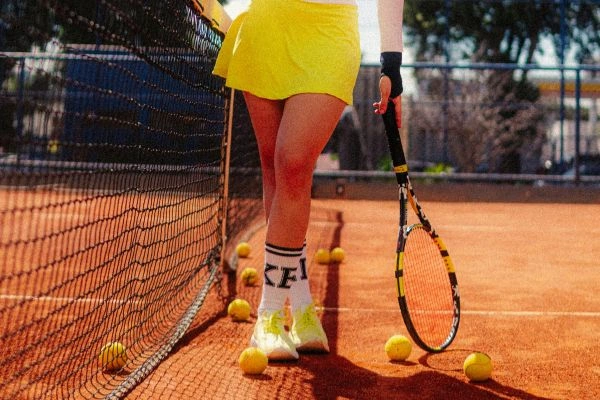
Clay courts are softer and slower than hard courts. They allow players to slide into shots, which changes how movement works during rallies. The surface is typically made from crushed brick or stone.
Key Traits
- Softer surface with controlled sliding
- Slower ball speed
- Loose top layer that can build up on soles
- Less impact stress compared to hard courts
What To Look For
- Full herringbone tread pattern
- Non-marking rubber
- Reinforced heel for controlled slides
- Slightly more flexible outsole
Clay court shoes are easy to identify because of their classic herringbone pattern. This zigzag design prevents clay from getting stuck in the sole and helps maintain a consistent grip.
Sliding is part of the game on clay. The right shoe allows a smooth slide without losing balance. Using hard court shoes on clay can lead to uneven traction and unnecessary wear. For regular clay players, a dedicated pair is a smart investment.
Grass Courts
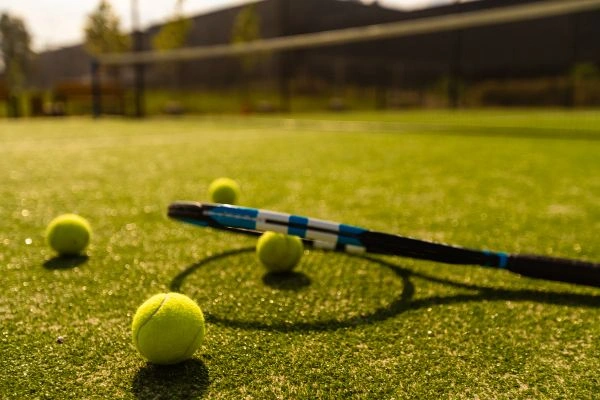
Grass courts are the least common surface for recreational players but remain iconic in professional tennis. They are fast, slick, and often damp in certain climates.
Key Traits
- Slippery surface
- Low bounce and quick points
- Requires precise traction
- Thin, delicate turf
What To Look For
- Circular or nubbed outsole patterns
- Minimal tread depth
- Thin outsole for better court feel
- Responsive cushioning
Grass court shoes use small nubs or pimples instead of deep grooves. These provide traction while keeping the turf intact. Since grass courts are already soft, cushioning does not need to be as thick as on hard courts. Instead, players benefit from a lower-profile shoe that enhances quick reactions.
What Sets Tennis Shoes Apart from Ordinary Sneakers
It can be tempting to wear running shoes or general training sneakers for tennis. However, tennis shoes are built specifically for lateral movement and sudden direction changes.
Here is what sets tennis shoes apart:
- Strong lateral support for side-to-side motion
- Reinforced toe areas for durability
- Stiffer midsoles to prevent twisting
- Non-marking outsoles for indoor courts
- Surface-specific tread patterns
Running shoes are designed for forward motion. Tennis involves constant pivoting, shuffling, and stopping. Without proper lateral stability, the risk of ankle injuries increases. For anyone serious about comfort and performance, true tennis shoes are essential.
Fit And Comfort: The Foundation Of Performance
Even the most advanced tennis shoe will fail if it does not fit properly. Comfort should never be treated as an afterthought.
Tips For The Right Fit
Snug But Not Tight
The heel should feel secure without slipping. There should be a slight room in the toe box to avoid pressure during long rallies.
Consider Arch Type
Players with flat feet often need stability shoes with structured support. Those with high arches typically prefer cushioned models that absorb impact.
Check Width Options
Brands like Asics and New Balance are known for offering multiple width options. This can make a huge difference for players with wider or narrower feet.
Try With Tennis Socks
Thicker athletic socks change the fit slightly. Always test shoes with the socks normally worn on court.
Comfort also depends on breathability. Modern tennis shoes often use mesh uppers to improve airflow. This helps keep feet cool during long matches, especially in warm climates.
Best Tennis Shoes By Court Type
While personal preference always plays a role, certain models consistently receive strong reviews for performance and durability.
Hard Court Standouts
These models are designed to handle tough, abrasive surfaces.
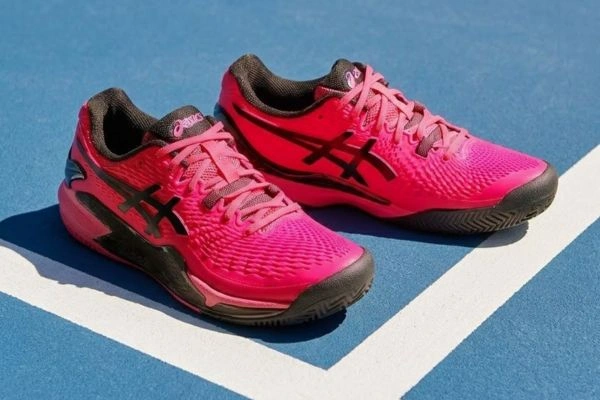
Asics Gel-Resolution 9
Known for excellent stability and gel cushioning, this shoe offers strong lateral support and durability for aggressive movers.
Nike Zoom GP Turbo
This model combines responsive Zoom Air cushioning with reinforced toe protection. It is popular among baseline players who rely on speed and quick recovery.
New Balance Fresh Foam X 1007
Offers plush cushioning without sacrificing stability. Ideal for players who want comfort during long matches.
Hard court players should focus on shock absorption and outsole toughness. Replacing worn-out hard court shoes on time is crucial since traction fades gradually.
Clay Court Champions
These shoes are tailored for sliding and grip on clay.
Adidas Adizero Ubersonic 6 Clay
Lightweight and fast, with a full herringbone outsole for reliable traction.
Wilson Rush Pro 5 Clay
Balances stability and flexibility, making it suitable for both defensive and aggressive play styles.
Nike Vapor Pro Clay
Offers a snug fit with a clay-specific tread pattern that keeps movement controlled.
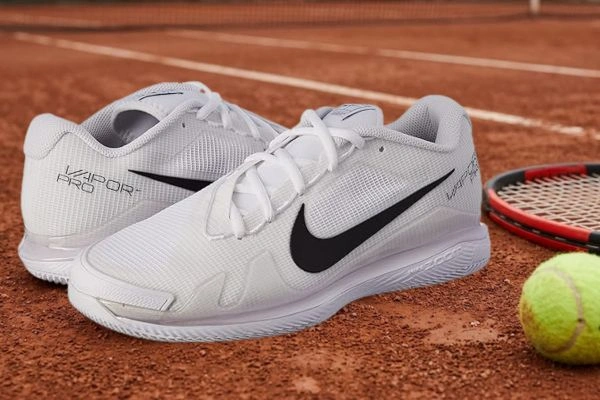
Clay players benefit from shoes that feel secure but not overly stiff. Flexibility in the forefoot helps during extended rallies and sliding transitions.
Best For Grass Courts
For players who compete or train on grass, these models stand out.
Yonex Power Cushion Eclipsion 4 Grass
Provides excellent grip through a low-profile nubbed outsole.
K-Swiss Hypercourt Express 4 Grass
Lightweight and responsive, built for quick directional changes.
Adidas Adizero Ubersonic Multi-Court
A versatile option that can adapt to grass while remaining usable on other surfaces.
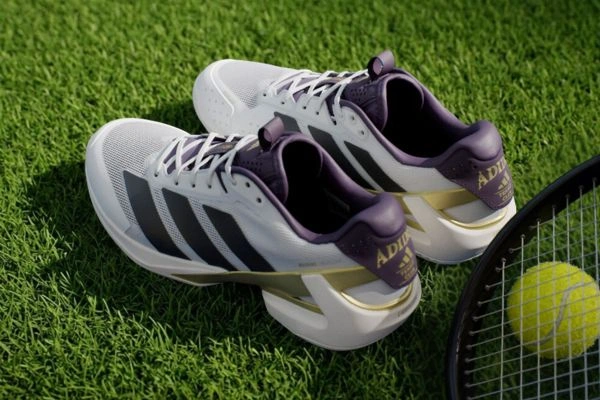
Since grass courts are less common, many players opt for multi-court options that still provide sufficient traction.
All-Court And Versatile Options
Recreational players often move between different surfaces. All-court tennis shoes are designed to handle a mix of hard, clay, and synthetic courts.
Popular all-court models include:
- Asics Gel-Resolution series
- New Balance 996v4
- Adidas Adizero Ubersonic Multi-Court
These shoes use hybrid tread patterns that provide balanced grip. While they may not match the precision of a surface-specific shoe, they are practical for players who want one reliable pair.
Playing Style And Shoe Selection
Court type is only part of the equation. Playing style also influences the ideal choice.
Baseline Players
Need strong lateral support and durable outsoles due to frequent side-to-side movement.
Serve-And-Volley Players
Benefit from lightweight shoes that support quick forward bursts.
All-Court Players
Should look for balanced cushioning and flexibility.
Understanding how movement patterns affect wear can help narrow down the best option faster.
Longevity And Replacement Tips
Tennis shoes do not last forever. Even premium models lose traction and cushioning over time.
Signs It Is Time To Replace Your Shoes
- Outsole tread looks smooth
- Reduced grip during quick stops
- Cushioning feels flat
- Noticeable foot or knee discomfort
Hard court shoes typically wear out faster because of abrasion. Players who train multiple times per week may need replacements every few months.
Maintenance Tips
- Alternate between two pairs to extend lifespan
- Allow shoes to air dry naturally
- Clean clay buildup from outsoles
- Store in a cool, dry place
Taking care of tennis shoes improves durability and maintains performance.
Injury Prevention And Support
Proper tennis shoes can help reduce the risk of common injuries such as ankle sprains, plantar fasciitis, and knee strain.
Look for:
- Stable heel counters
- Shock-absorbing midsoles
- Secure lacing systems
- Firm midfoot structure
Players with recurring foot issues may benefit from custom insoles for additional support. Stability should never be sacrificed for style.
Style And Modern Design Trends
Tennis shoes today combine performance with style. Sleek silhouettes, bold colorways, and breathable materials are now standard across leading brands.
While performance remains the top priority, modern designs allow players to express personal style without compromising function. Many brands release limited editions inspired by professional athletes and major tournaments.
The Right Tennis Shoes Make All The Difference
Investing in the right tennis shoes for your court type improves performance, comfort, and durability. Hard courts require tough rubber and strong cushioning. Clay courts demand herringbone tread and slide control. Grass courts call for minimal tread and a responsive grip.
Start by matching your shoe to your primary surface. Then consider fit, support, and playing style. Trusted global brands such as Asics, Nike, Adidas, New Balance, Wilson, Yonex, and K-Swiss offer reliable options across every category.
With the right pair of tennis shoes, movement feels more stable, reactions become quicker, and long matches feel less demanding on the body. Choosing carefully is not just about comfort. It is about playing smarter and protecting long-term performance on every court.