

Flag football is one of the fastest‑growing sports in America. Long gone are the days when it was just a casual game at summer picnics. Today, it has national leagues, high school programs, college teams, and even international championships. In this guide, every part of the sport is explained clearly. It walks through how flag football works, how to play, the rules and recent updates, gear recommendations, tips for beginners, and what the future of the sport may look like for athletes and fans alike.
Whether someone is curious about trying flag football for the first time or wants to stay on top of the latest trends and gear, this article has everything needed to get started and stay informed.
What Is Flag Football And Why It Matters
Flag football is an American sport based on traditional football, but without tackling. Instead of physically bringing a player to the ground, defenders pull a flag attached to a belt on the ball carrier to stop the play. This change makes the sport faster, safer, and more accessible for players of all ages and skill levels.
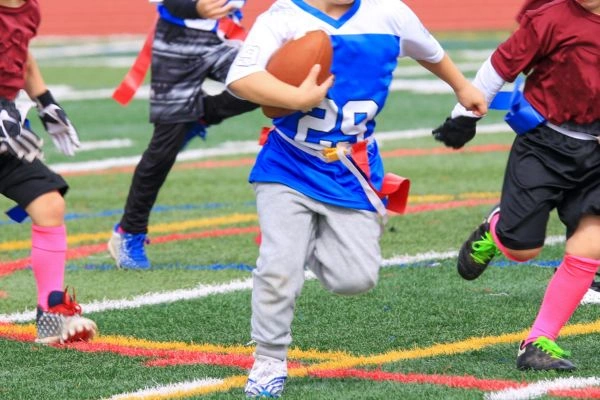
The sport has exploded in popularity because it removes one of the biggest barriers to participation in tackle football: physical contact. Schools, communities, and recreational leagues love flag football because it lets more players join in and enjoy the strategy and athleticism of football without full pads and hard hits. The sport is now offered for boys and girls, adults, and even youth leagues that focus on fun and skill development.
Beyond community leagues, flag football has also grown as a competitive sport internationally. National and world championships attract teams from around the world and set the stage for deep rivalries and high‑level play. Collegiate programs have also picked up the sport, with many schools now fielding teams at club or varsity levels.
A Brief Look At The Sport’s Growth And Reach
Flag football’s rise has been rapid. Participation numbers have climbed steadily, and governing bodies like the National Federation of State High School Associations (NFHS) now publish official rules for the sport at the high school level. This shows how the sport has matured from informal play to structured competition.
The NAIA, a national association of college athletics, has adopted new flag football rules designed to emphasize skill and reduce contact. These changes apply to college play and make the sport safer while keeping action fun and fast.
Flag football has also crossed international borders, with championships in Asia‑Oceania and news of high participation in places such as Europe and Australia.
From young athletes learning fundamentals to adult leagues forming competitive teams, flag football is now played in cities and schools across the country. Its appeal comes from being inclusive, strategic, fun, and adaptable to many different age groups and competitive levels.
Flag Football Rules And How The Game Works
Although the basic idea of flag football is simple, the rules can vary depending on the league or competition. Some organizations follow slightly different rule books, but most share common principles. Here’s a breakdown of the core rules players will encounter.
Field Layout And Team Sizes
Flag football is typically played on a smaller field than traditional tackle football. Most fields range from 60 to 80 yards long with smaller end zones. This shorter field helps keep the play fast and competitive.
Teams usually consist of five to seven players on the field at a time, though variations exist depending on league rules and age groups. Smaller team sizes make it easier for players to touch the ball and stay involved in every play.
How Play Starts And Moves Forward
A game begins with a kickoff or another form of possession start as determined by league rules. Once play starts, the offensive team has a limited number of downs (usually four) to gain a first down and continue the drive.
The offense advances the ball by throwing forward passes or running with the ball. Unlike tackle football, the quarterback often cannot run beyond the line of scrimmage unless rules specifically allow it. Most leagues use a “7‑second rule,” in which the quarterback must throw the ball within seven seconds of receiving the snap.
Stops occur when a defender pulls one of the ball carrier’s flags, the play goes out of bounds, the ball hits the ground, or time expires. Once a flag is pulled, the play ends, and the next down begins.
Passing, Rushes, And Defensive Rules
Forward passes must be thrown from behind the line of scrimmage and completed beyond it. Backwards or lateral passes are allowed behind the line of scrimmage, and once made, the offense typically gets unlimited time to throw forward.
Defenses often have restrictions on how many defenders can rush the quarterback. Many formats allow two designated rushers who must show their intent by raising a hand before the snap.

Unique Rules And Changes
Recent rule updates have been made to keep the sport competitive and fun. For example:
- A new “onside kick” type rule lets a trailing team retain possession after a scoring try if it chooses. This gives the trailing team a chance to mount a late comeback in the closing moments of a game, similar to tackle football onside kicks.
- Multiple field size options now allow leagues to choose a format that best fits their space or competition level, from smaller fields for beginners to larger fields for advanced teams.
- Instant replay can be used for key rule calls in postseason high school games, helping make officiating more accurate.
These rule changes make flag football feel more like organized football while keeping the pace, safety, and strategy players love.
Essential Flag Football Gear And Top Brands
Flag football requires less gear than tackle football, but the right equipment still matters for performance and safety. Here’s a breakdown of must‑have gear, recommended brands, and why each item matters.
Flag Belts And Flags
The defining feature of the sport is the flag belt. These belts hold detachable flags that defenders pull to end a play. A good flag belt should have secure Velcro and durable flags that stay in place until pulled. It’s best to choose belts designed specifically for competitive flag play rather than generic belts.
Top Flag Belt Brands:
- Battle Sports Belt System – Known for durable clips and smooth flag removal.
- Triple Threat Sports – Offers belts with high‑performance Velcro and easy flag attachment.
Footballs And Grip
Flag football balls are often slightly smaller and easier to grip than traditional footballs. Look for models designed for both adult and youth play, with reliable materials and grip texture.
Top Football Picks:
- Wilson GST Youth Flag Footballs – A trusted choice for durability and grip.
- Nike Vapor Footballs – Great balance of control and throwing feel.
Cleats And Footwear
Players need good traction for quick cuts and rapid direction changes. Most leagues allow turf cleats or molded footwear. Avoid metal spikes, as they can damage the field and may be prohibited.
Top Footwear Options:
- Nike Alpha Menace Elite 2 Turf Shoes – Designed for sharp cuts and stability.
- Under Armour Spotlight Franchise Turf – Comfortable support and reliable grip on turf fields.
- adidas Adizero Afterburner – Lighter build for speed and agility.
Mouth Guards And Protective Wear
Even though flag football is non‑contact, mouth guards help protect players from accidental collisions and reduce dental injuries. Many youth leagues require mouthpieces for all participants.
Trusted Mouth Guard Brands:
- Shock Doctor Gel Max – Comfortable fit and strong protection.
- Under Armour ArmourFit Mouth Guard – Good balance of comfort and safety.
Optional Accessories
A few accessories can improve comfort and performance:
- Flag clips and repair kits to make quick fixes during play.
- Lightweight gloves for receivers and quarterbacks to improve grip.
- Hydration packs or bottles help athletes stay hydrated during long games or tournaments.
Good gear helps players move freely, stay safe, and focus on the game rather than equipment issues.
Tips For Beginners To Get Started
For those just stepping into flag football, a few simple tips can make the experience more rewarding and less overwhelming.
Learn The Basics First
Start with the core ideas of movement, passing, and how flag pulls stop a play. Understanding the fundamentals helps players enjoy games more quickly and feel confident on the field.
Practice Key Skills
Flag football involves basic football skills like throwing, catching, and running routes. Spending time practicing these skills makes a big difference once actual games begin.
Learning how to pull flags without grabbing clothing and staying balanced while cutting quickly helps both offense and defense.
Choose The Right League
Many options exist, from youth leagues to adult recreational and competitive leagues. Coaching, skill level, and field size can vary between organizations, so pick one that makes sense for current ability and goals.
Talk To Coaches And Teammates
Communication is a big part of team sports. Learning simple terms like “snap,” “route,” “down,” and “first down” makes it easier to follow plays and execute teamwork.
Enjoy The Game
Remember that flag football is meant to be inclusive and fun. Whether playing competitively or casually, the focus should be on enjoying physical activity, meeting new people, and developing skills.
How Flag Football Is Evolving At Youth And Collegiate Levels
The sport has made significant gains in schools across the country. Official rules, publications, and committee revisions are creating consistency between regions. For example, new changes allow different field sizes to fit different spaces and introduce strategic play elements that mirror full-contact football while retaining safety.
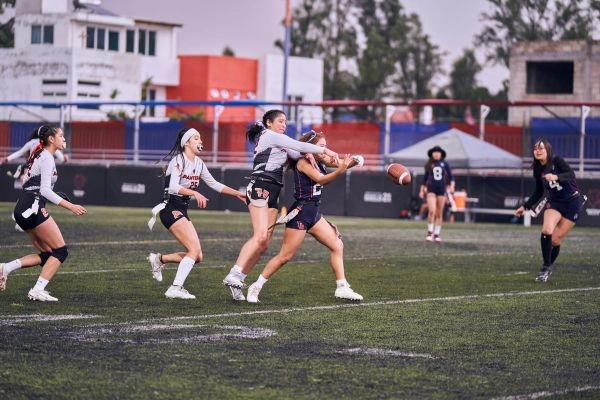
Youth participation is increasing, and many high schools now offer girls’ flag football programs as an alternative to or in addition to tackle football. This growth continues in states that have fully sanctioned the sport and others considering adoption.
At the college level, organizations like the NAIA are actively updating rules to encourage safe play while still promoting athletic competition.
Together, these developments show flag football’s evolution from recreational activity to structured, competitive sport across age levels.
The Future Of Flag Football
Looking forward, the global footprint of flag football continues to expand. Partnerships with major athletic brands such as Nike are helping national federations grow their programs and visibility around the world.
There are also signs of professional pathways emerging, with international leagues and youth sports organizations creating clear competitive paths from grassroots play to elite competition. These efforts reflect the growing demand for organized flag football at every level of play.
The sport’s inclusion in major international events and collaborations involving national federations and top brands further suggest that flag football will continue building momentum. With increased focus on accessibility, safety, and enjoyment, flag football is poised to remain one of the most popular community and competitive sports in the years ahead.
Build Your Skills, Join The Action, Love The Game
Flag football is more than just a simpler version of tackle football. It has become a dynamic sport with real rules, competitions, gear, and communities behind it. From youth leagues to college teams and international championships, flag football offers a way for athletes of all ages and abilities to play intelligently and stay active.
Knowing how the game works, understanding the equipment, and paying attention to recent rule changes give players and fans a strong foundation. Whether someone’s first game is a practice scrimmage or a part of a league season, flag football welcomes everyone with open arms and plenty of excitement.